
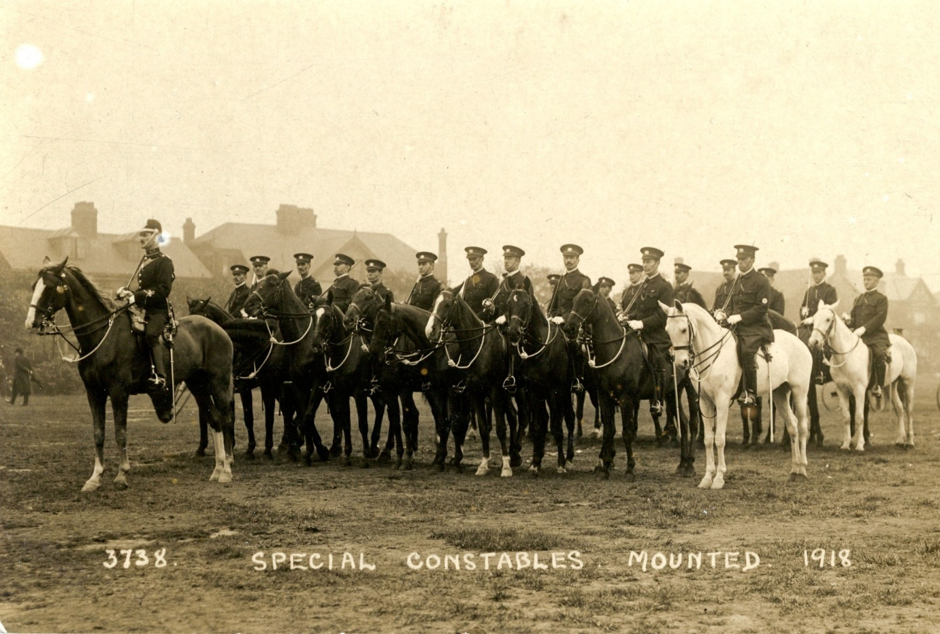
195 years ago on the 15th October, Parliament passed the Special Constables Act of 1831, which granted chief officers the power to appoint ‘special constables’, a form of temporary officer with powers of arrest for a set period.
Whilst the act of 1831 formalised the appointment of special constables, the concept of appointing temporary law enforcement officers from local citizenry extends back into the Middle Ages. During this time sheriffs could empower local townsfolk (by force if necessary) to support town/parish constables to keep the peace, or potentially to form ‘posses’ to hunt down criminals and make arrests.
Special Constable’s are often appointed in anticipation of periods of civil unrest, or to assist the police during challenging events. For example, thousands of Special constables were appointed in the 1840’s to manage the various protests and marches of the ‘Chartists’, a nationwide organisation campaigning for electoral reform.
But what about the history of specials in Manchester? This month’s blog looks back at the important role special constables have played in the city’s history.
Special Constables in Victorian Manchester
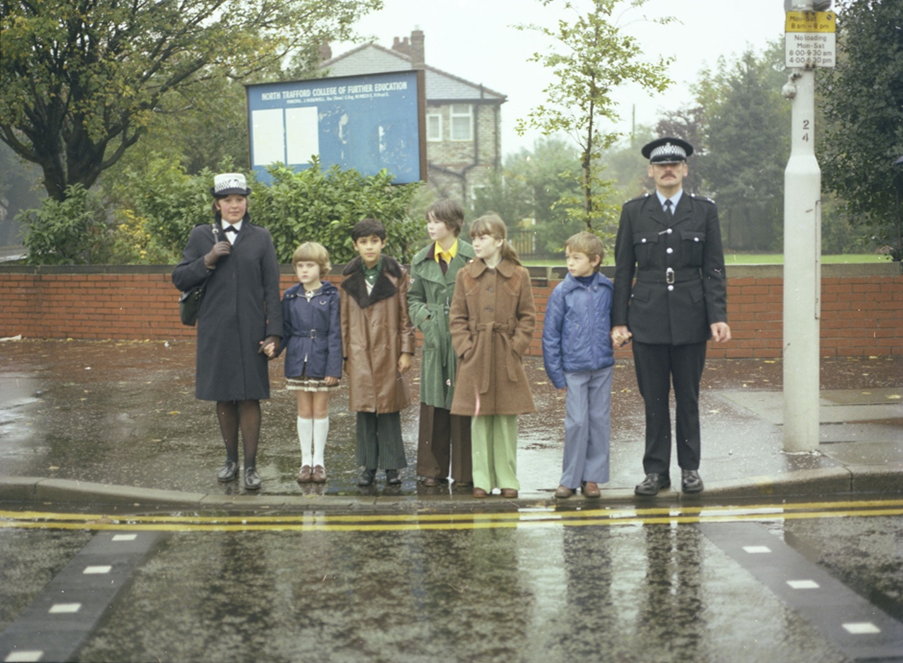
Special constables played a key role in the formation of the modern police force. In 1819, 60,000 people marched in Manchester to protest the high price of bread, and the lack of voting rights in the UK.
In St. Peter’s field (now St. Peter’s Square) the protests reached the Manchester Town Hall, where a combination of military cavalry and special constables dispersed the crowd violently, leading to at least 19 deaths and hundreds of injuries.
Quickly named the ‘Peterloo Massacre’, public outrage over the violence started a breakdown in civil trust with law enforcement across the UK, inspiring the then Home Secretary Sir Robert Peel to introduce the modern police as we know it today with the Metropolitan Police Act 1829.
Following the foundation of the Manchester City Police in 1839, special constables became a core part of the city’s law enforcement. In 1867, additional specials were appointed in the aftermath of the first known Manchester police officer to be killed on duty, Charles Brett. Specials expanded the reach of the city police and played a key role in ensuing manhunt for Charles Brett’s killers and lined the streets during the execution of three Irishmen convicted of his murder.
Special Constables in 20th Century Manchester
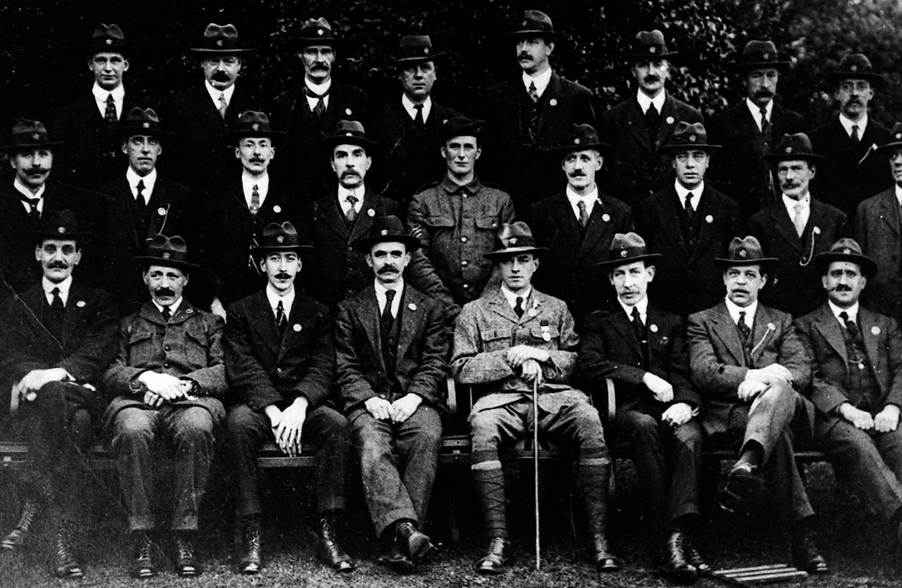
Manchester Special Constables, 1914
The Special Constables Act 1914 allowed the long-term appointment of special constables, making it easier to maintain companies of specials without requiring a specific event or crisis to take place.
One of the single largest deployments of specials in British police history was during the 1926 General Strike, which involved marches in many UK cities, and the near total standstill of public transport and business in Manchester. Hundreds of additional specials were employed to manage the strike, so many that there were not enough uniforms for everyone, leading to many having only a white duty band to identify themselves as specials.
The breakout of World War Two in 1939 pushed UK police forces to appoint new special constables on mass to bolster law enforcement, especially as many younger and able-bodied constables left the police to join the armed forces.
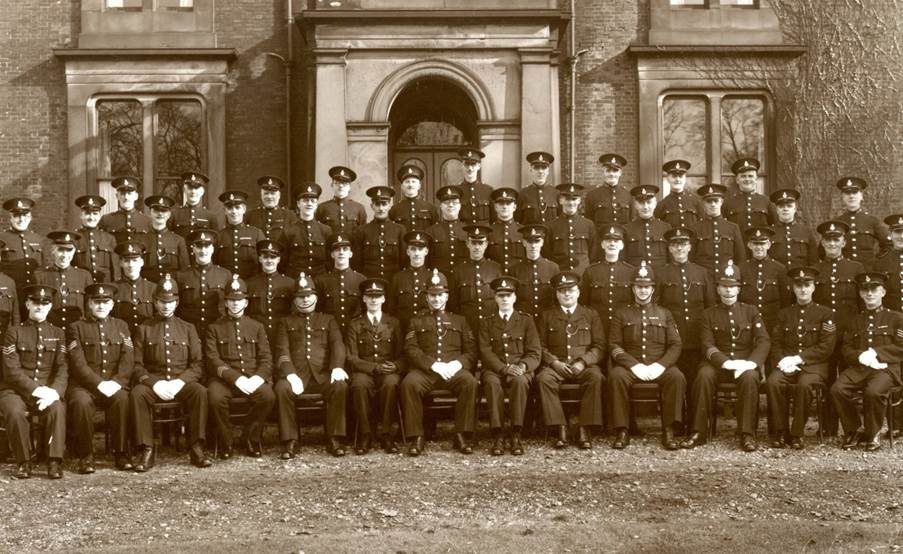
Rochdale Special Constables, World War Two
During this time volunteers for specials came from men too old or injured to serve in the army, and women looking to protect their local communities. This new wave of specials provided support for air raid precautions, supervising foreign nationals, and managing local unrest and crime. For example, in Salford alone, hundreds additional specials were appointed between 1939 and 1945.
Since the formation of the GMP in 1974, special constables remain as a permanent force alongside police constables.
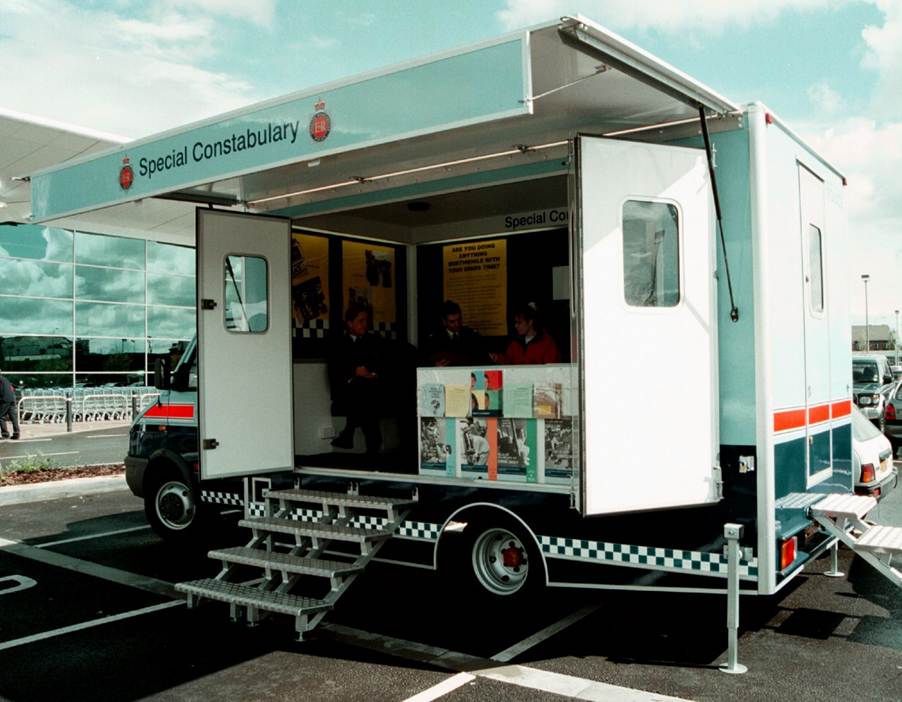
Greater Manchester Police, Special Constabulary, mobile recruitment station
Manchester’s Special Constables Today
Special’s today attend the same basic training courses which cover criminal law, first-aid, police driving, cybercrime, stop and search protocols, and more. At the end of this course, specials are warranted with the same police powers, and are given the same equipment, as police constables.
Specials remain one of the most important aspects of UK policing, and to celebrate the 195-year anniversary of the Special Constables Act, the Greater Manchester Police Museum has built new temporary exhibition for the public to enjoy.
If you are interested in seeing our new exhibition, come to one of our open days! The GMP museum is open and free to enter every Tuesday, with doors opening at 10:30am and final admissions at 3:00pm.